
Baltics warned of Russian threat by experts who spent decades dismissing Baltic warnings of Russian threat
The Baltic assessment of Russia remains consistent, despite a sharp increase in maps with big red arrows drawn on them.
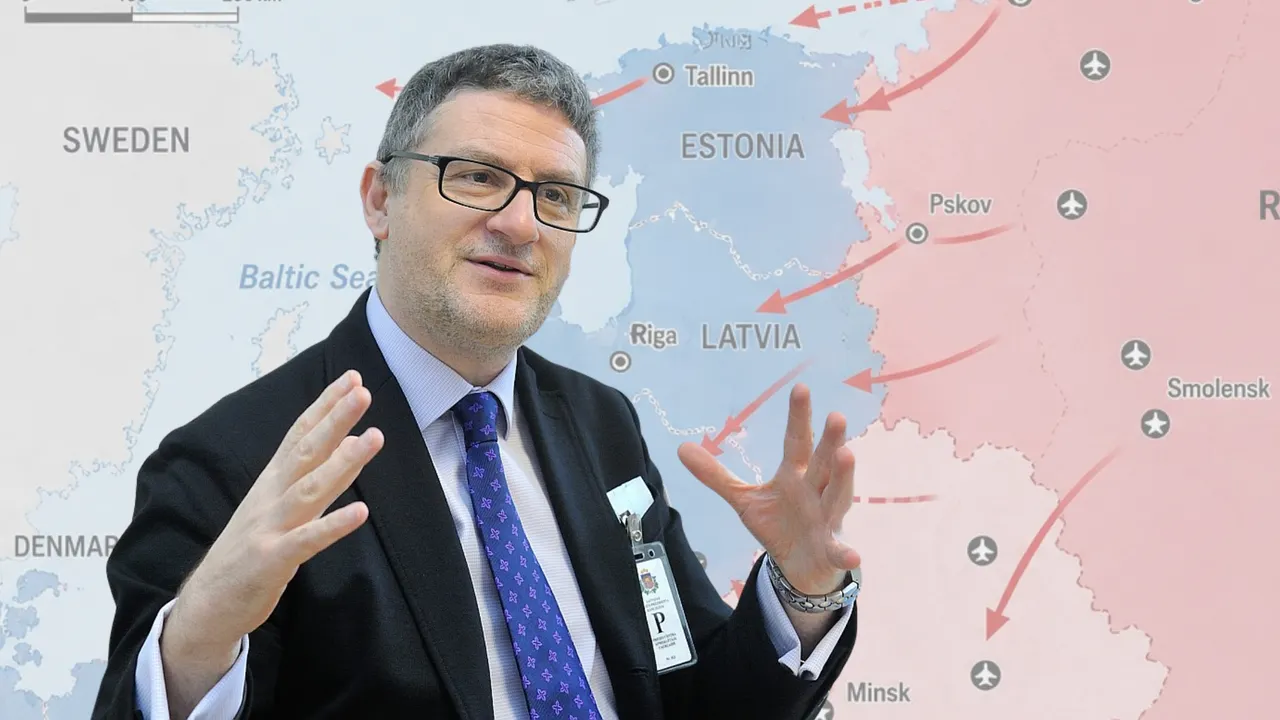
"According to some more hostile foreign commentators, Russia is near enough an earthly Mordor, North Korea with balalaikas," wrote the famed Russia expert Mark Galeotti in his 2019 book, We Need To Talk About Putin, which dismissed the possibility of Russia launching any kind of new war in the years ahead.
"However," Galeotti continued back then, "walk the streets of Moscow, and you'd find yourself in a modern, dynamic and frankly fun European city. Even out in the provinces, where money is tighter and the new middle class are rather thinner on the ground, there is ample evidence of change. By this I don't just mean coffee houses, Wi-Fi and branches of Marks & Spencer (thirty-six in Russia so far), but also real debate, investigative journalism and even civil society. Putin has no ideological commitment to anything, really, and so has no reason to try to impose totalitarianism."
The same Galeotti has struck a somewhat different tone this week.
Writing in the Daily Mail, he updates us that "Putin can bring death and destruction to the UK if he chooses" and first "will test NATO's resolve by attacking a weaker nation, such as one of the Baltic states".
That's been a dominant narrative this week, in both the international papers and on Twitter, with the point often made using maps of the Baltics with big red arrows added.
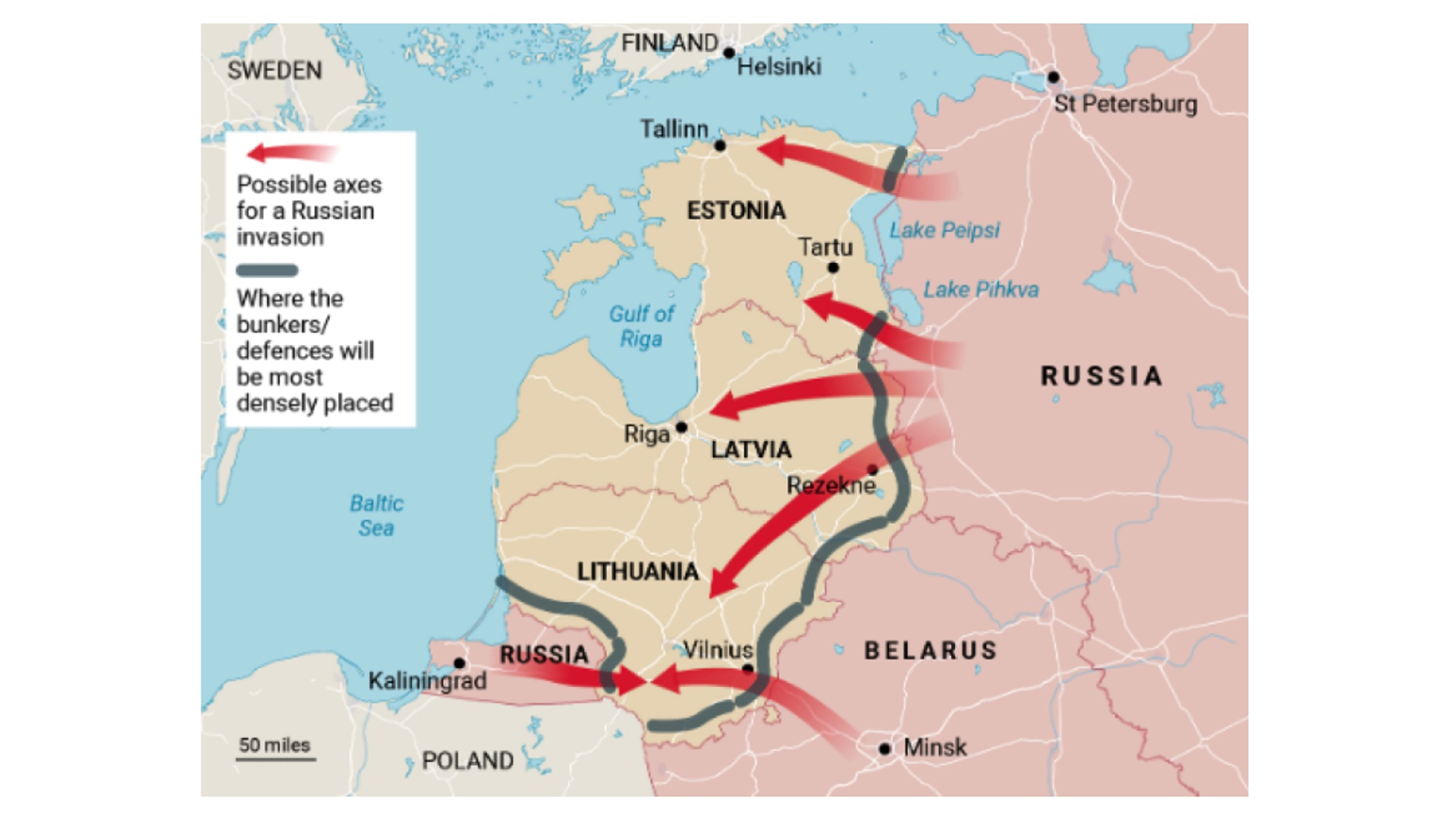
None of this sounds modern, dynamic or frankly very fun.
Fortunately, much of the "Russia expert" community previously based in Moscow does not have a remarkable track record when it comes to predicting literally any significant developments related to Russia.
Galeotti himself previously insisted Russia wouldn't annex Crimea, wouldn't launch a full scale invasion of Ukraine, wouldn't kill Navalny, and more, all while the "Russia expert" community kept fueling wider skepticism of so-called hostile commentators, like in the Baltic countries, particularly among Western political establishments.
An all-too-common attitude, pre-full scale war, is that recounted by former Lithuanian Defence Minister Rasa Jukneviciene who was once told by a top European minister not too worry about Russia because "the Soviet Union is gone, and you, Madame, have phantom pains”.
This week, we reached full circle in the wake of the CIA Chief's visit unannounced visit to Moscow.
The Baltic assessment of Russia remains consistent, although now it's others explaining to the Baltics how Russia is a threat.

So why was the CIA Chief in Moscow?
Early reporting claimed the visit "was primarily to warn Russia against any escalatory action against the Baltic states," according to anonymous officials briefing Politico and the Washington Post.
Yet Estonia says its threat assessment has not changed, and their Intelligence has a pretty good track record on understanding what Russia is up to, such as when tipping off Ukraine to prepare for the Battle of Hostomel.
Meanwhile, the US has more pressing issues to resolve with Russia, such as curtailing its lethal support to Iran. President Trump himself indicated that he expected "something may come out of it" and then referred to ending Russia's war against Ukraine.
CIA boss Moscow trip was about Iran, not the Baltics, ex-Estonian president tells Euronews https://t.co/ueefAtUt7x
— toomas hendrik ilves (@IlvesToomas) August 27, 2026
Now that more officials and allies have had time to be briefed and updated on the meeting, there is a stronger consensus that it was not necessitated by any new threat to the Baltics.
The CIA Chief reportedly sought to emphasise the futility of Russia's current strategy, both on the frontline in Ukraine and in its so-called "hybrid" warfare against NATO states, reiterating that every inch of NATO territory will be defended, including the Baltics, which has always been the message.
Regular readers may wonder if the journalists originally reporting the meeting were waifed, as we say.
It's more likely that one or two officials chose to focus on a more convenient narrative, which means the continued freedom and security of the Baltics is already a win. It's also possible that this is a convenient narrative for the Russians too, however, as it reinforces its threat of escalation.
Many are still keen to draw parallels with the last time that a CIA Chief visited Moscow, which was in 2021 to warn against Russia's planned, impending full scale attack on Ukraine.
That time there was clear intelligence of an impending attack though and preparations clearly underway, even visible from space. The only reason to doubt what the world could clearly see was the fact that so many Russia experts staked their entire reputations on insisting Russia wouldn't do something so irrational.
But the dynamics are not comparable for the Baltics right now.
Kristi Raik, Director for the International Centre for Defence and Security in Tallinn explains it well in this Twitter thread below.
Some points on parallels being drawn between 2021-2022 Russian invasion of Ukraine and 2026 Russian threat to NATO incl. the Baltic states. 1/
— Kristi Raik (@KristiRaik) August 27, 2026
The possibility of a future invasion must always be taken seriously and our deterrence must be kept strong. Right now, however, Russia's aim is to stop Western support for Ukraine and it is in that context that we should understand all threats to NATO.
Fears of attack can be the attack itself, says disinformation author JJ Green in a recent interview with Propastop regarding the 'Narva is Next' narrative.
It's easy to draw big red arrows on maps, as the media also did in the early days of Russia's full scale war against Ukraine.
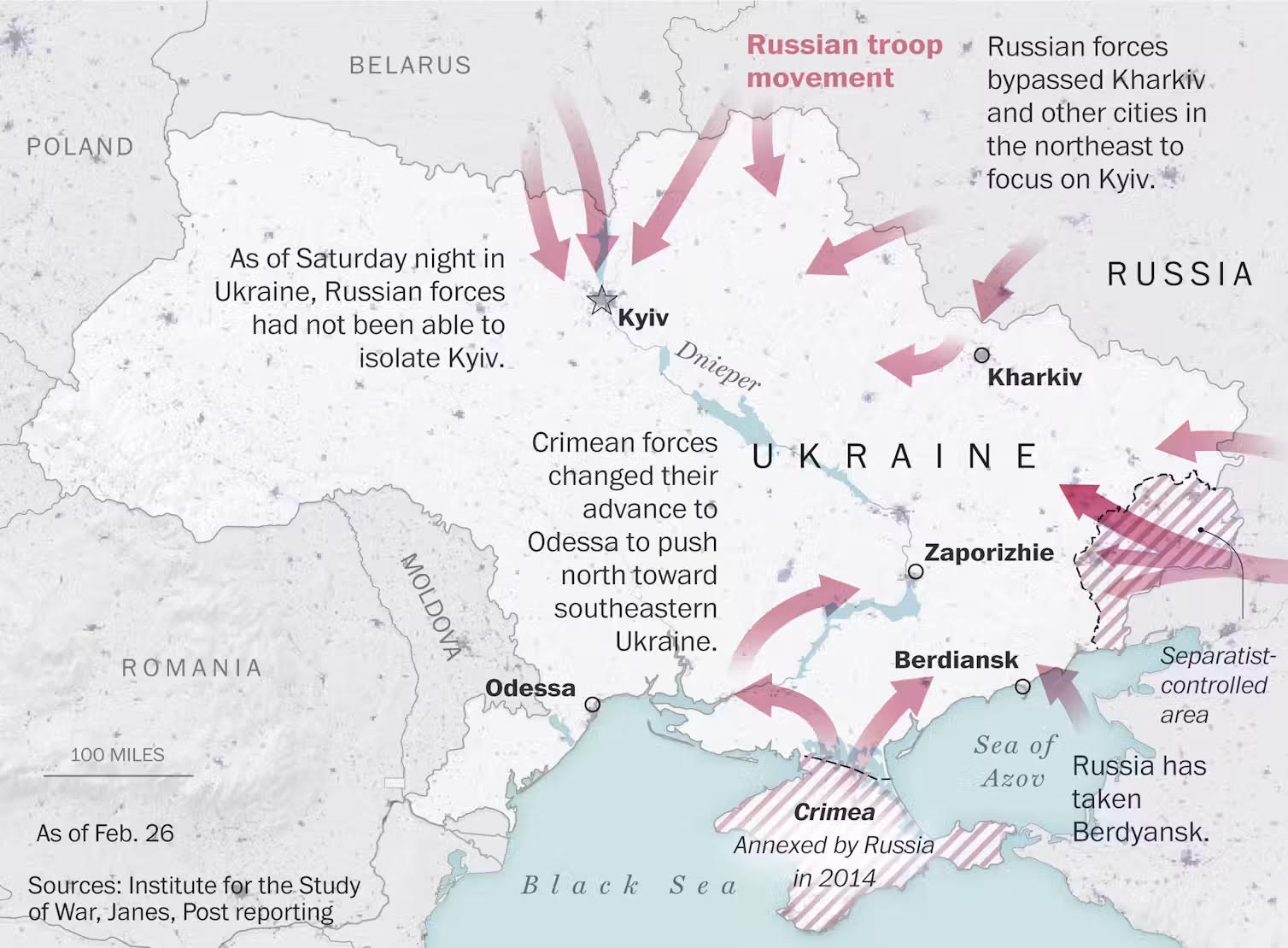
The reality on the ground gets more complicated when you remember that other people exist and have agency too. The people who live on these maps are not non-playable characters.
A lot of "Russia experts" are unable or unwilling to get this. They bring an imperial lens and usually an embrace of political realism, which conveniently emphasises that only bigger countries matter.
Yet Ukraine resists and has become the most battle-hardened nation on Earth with experience in modern warfare far in advance of the rest of the West, which would wake up fast if Russia did conventionally attack NATO and EU states.
Meanwhile, the Baltics have been preparing for re-invasion for decades and are more secure than at any point in their history, in addition to having strong international alliances. There are 15 to 17 NATO nations with troops stationed in the Baltic countries, varying slightly due to rotations. Whatever tensions exist are still incomparable to the the vulnerability of the past, especially during the Nazi-Sovet Pact era.
For Russia, promoting a fear of invasion of the Baltics - and to wider audiences beyond the Baltics - can be more useful than an actual invasion because the latter comes with far bigger consequences that Russia can't control.

