Just negotiate with Russia to end the war, they said.
If Ukrainians stopped resisting, the fate of the Chechens today would be theirs tomorrow.
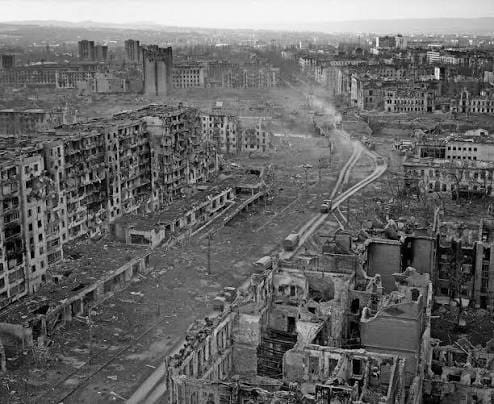
In the 1990s, the Chechen Republic of Ichkeria made multiple ‘peace’ deals with Russia.
Each time, Russia used the lull to prepare its next more devastating military offensive, while still waging war through other means to destabilise the fledgling nation.
In reality, Russia’s war against the Chechens never stopped until the territory and its people - who were striving again for independence after centuries of Russian attempts erase them - were consumed and then weaponised for Russia’s next war against others.
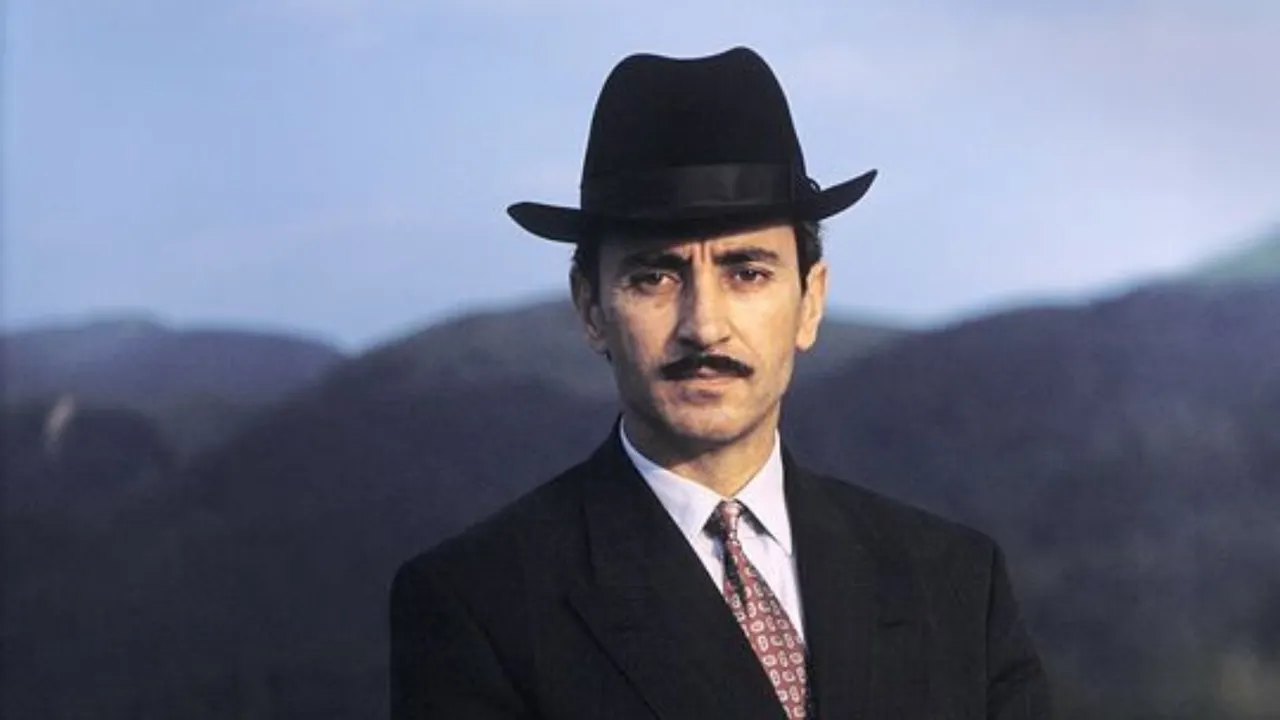
This is Dzhokkar Dudayev, the first President of the Chechen Republic of Ichkeria, eventually murdered by a Russian missile.
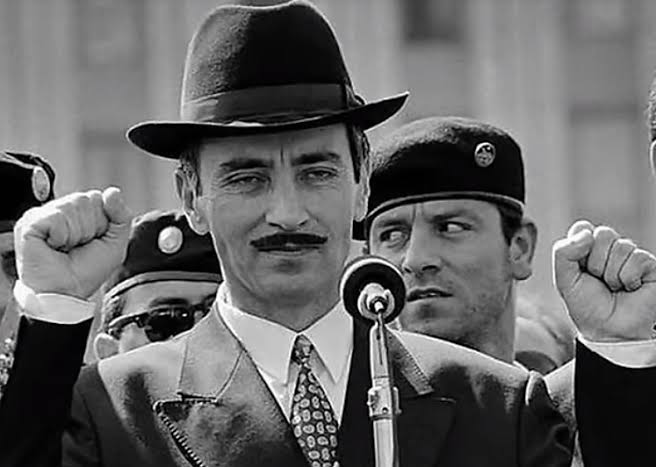
If Ukrainians stopped resisting, the fate of the Chechens today would be theirs tomorrow. It could be your nation after that, using the children of Ukrainians being attacked and stolen today.
“But Chechnya is part of Russia,” the world tried to reason when looking away in the '90s.
Now the goalposts have shifted to “But Ukraine was part of the Russian empire”.
Imperial logic can lead anywhere. And Russia will always find a pretext to advance. Sacrificing one more nation to Russian aggression will never make it stop.
But, for Chechens, another future was possible.
If you’ve never heard of Dudayev then that’s understandable. The Russian empire throughout its various rebrandings has continuously erased people, physically but also from memory. Sometimes the problem isn’t bad takes, but no takes at all.
But Dudayev is still a legend to us here in the Baltics.
Dudayev was born into Russian genocide. As a new born baby, he was deported along with the rest of his nation. Let that sentence sink in.
In that purge of Chechens and the related Ingush, Soviet records show half a million were snatched and locked into wagons, although the real number is likely much higher. At least a quarter of the nation died through the brutality of the deportation process.
The goal was to erase their nation, exploit their labour in remote parts of Russia, and let Russian settlers move into their land. Their books and records were destroyed, their cultural heritage torn down, even their graves removed.
It’s a familiar story everywhere people have come into contact with Russia over centuries.
In an attempt to detoxify and consolidate itself after Stalin, Russia did its periodic display of mysterious soul searching and unlocked the survivors. A large scale return of Chechens began, including a 13 year old Dudayev.
Fast forward.
Dudayev became Major-General in the Soviet Air Force and was stationed in occupied Estonia with 4,000 occupiers under his command.
Yet Dudayev displayed a genuine fondness for Baltic peoples, even learning Estonian.
At the height of the Signing Revolution, Moscow ordered Dudayev to crush the re-independence movement. He refused. “I will not throw a bomb on a people fighting for the independence of their homeland,” he said.
He even went on radio to reassure Estonians that he’d prevent Soviet forces entering Estonian airspace to replicate the deadly January Events seen in Lithuania.
Moscow pulled his whole division out of Estonia and forced his resignation - which meant he could dedicate himself to Chechen independence, ironically inspired by the Baltic movements he was ordered to crush.
Following a referendum, Dudayev was elected President of the newly proclaimed Chechen Republic of Ichkeria in autumn 1991.
But in Ichkeria, the empire strikes back, desperate to halt the continued break up of the russian empire.
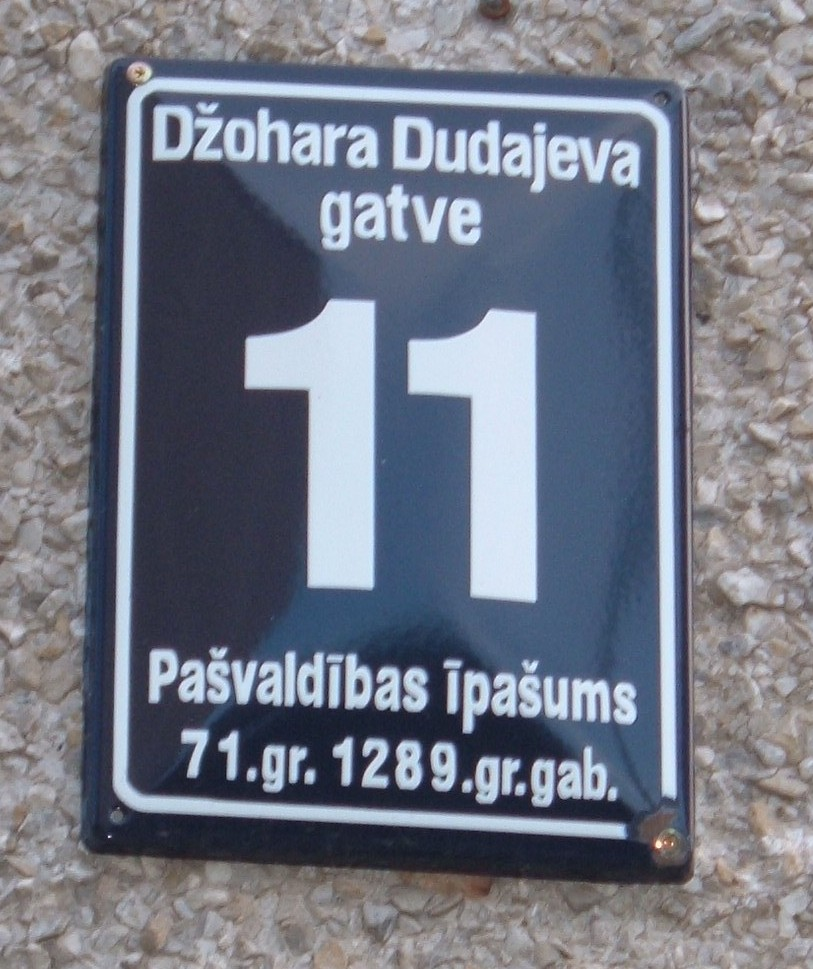
Today, Dudayev is remembered across the free part of the former empire, including with a plaque in Estonia, a street in Latvia, and a square in Lithuania.
Dudayev admired Ukrainians too. He once wrote that the biggest mistake is to consider the Ukrainians weak. “Ukrainians always come back,” he said.
Ukraine recognises the Chechen Republic of Ichkeria as temporarily Russian-occupied.


