On Ukraine aid, Bruno Maçães' math isn't mathing
The easiest way to get attention online is to say something new. And, as ever, the easiest way to say something new is to say something wrong.
Portugal's former Europe Minister Bruno Maçães used to claim that Russia just isn't interested in Europe. Not in its its integration or predicted disintegration, and certainly not in pulling countries away from the West and closer to its own way of thinking.
Those were the kind of brilliant insights he was able to glean from his regular trips to Russia to schmooze at the Valdai Club, even while Russia was waging war in Europe precisely in response to Ukraine's desire for European integration.
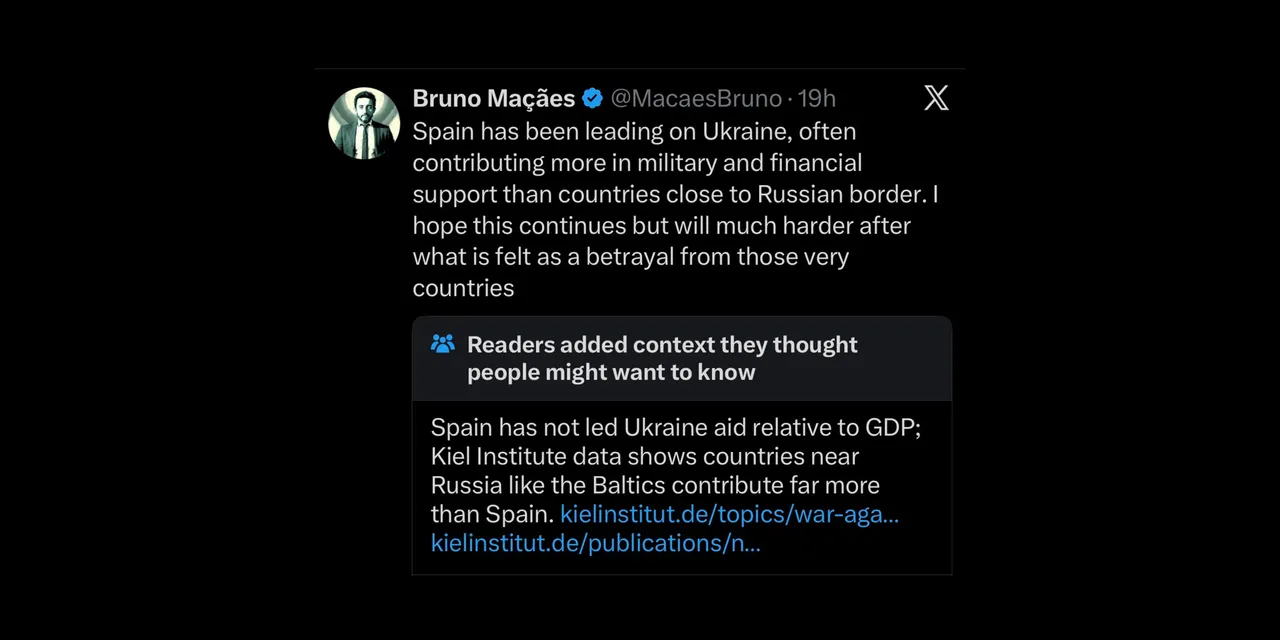
Still widely followed for his insights, Maçães has responded to the fallout over the crisis in Ceuta by stating that Spain has been leading on Ukraine, "often contributing more in military and financial support than countries close to Russian border" but that this will be "much harder after what is felt as a betrayal from those very countries".
Latest data from the Kiel Institute, which tracks governments' support to Ukraine shows that Spain has contributed roughly the same in total as Lithuania, slightly more than Latvia and Estonia, and quite a bit less than Poland and Finland.
We do need to emphasise that is in total, not per capita or as a share of GDP, which is where the numbers diverge astronomically, and it also doesn't include civic support, which anecdotally is exceptionally higher in all those latter countries. A country of 50 million people is providing state support at the same level as a country of under 3 million, which shouldn't be something to brag about.
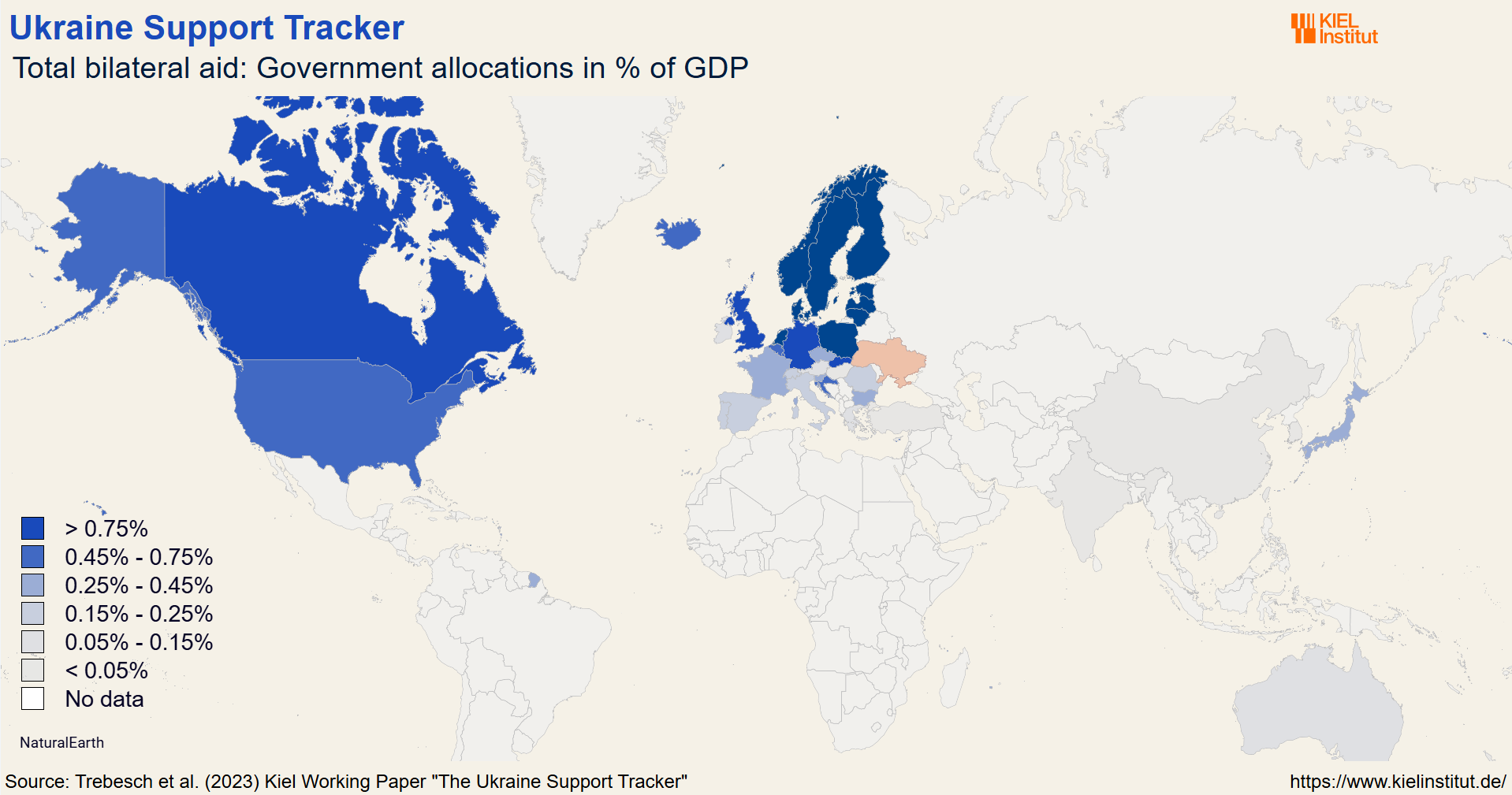
No wonder Bruno keeps the comments turned off for posts like that.
Regarding broader complaints about a lack of solidarity with Spain, it’s worth noting that trafficking as hybrid war has been ongoing at the Eastern EU border through Belarus too for many years with little interest from those same commentators.
The worst part of Maçães' post though is treating support for Ukraine as if it’s a transactional favour to Eastern Europe that you can drop when you’re in a bad mood.
Every free country has a self-interest in the freedom of Ukraine, the security of Europe, and the defence of a rules-based order of sovereign nations.
Ukraine is actually leading on that.

