If Eastern Europeans reported the world like the world reports Eastern Europe
Here’s what those tropes, clichés, and stereotypes sound like in reverse.
‘Eastern Europe’ is home to a varied mix of proud nations, rich cultures, some of the most dynamic economies and innovative companies in the world - and a lot of people who don't even think 'Eastern Europe' is a particularly useful regional category.
In spite of their unreformed neighbour, it's made so much progress that, in many ways, it’s arguably the least Eastern Europe-y place in the world.
So here’s a guide for reporting everywhere else, just like Eastern Europe is too often reported, adapted from our most popular Twitter thread with nearly 3 million views.
The new style guide
First of all, you’ll obviously want to base yourself near the countries you are reporting on. Not too near though!
The capital of a former imperial ruler provides an ideal, neutral vantage point. You can then reference their ‘mysterious souls’ as uniquely complex beings central to anyone else's story.
After all, you are covering a region that is already defined by their history with little consideration for the complex mix of identities that actually make up that region.
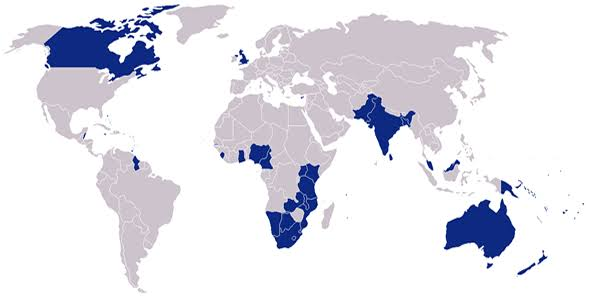
"To understand latest developments in Canada, we now turn to our correspondent in Ottawa who has been listening to views from across the country." ❌
“To understand latest developments in Canada, we now turn to our Britain and Commonwealth correspondent in London.” ✅
When writing any headline and intro, primarily define countries in reference to a previous ruler, even if it was an occupation.
"The U.S. state of Alaska." ❌
"The historically Russian region of Alaska." ✅
This can be done no matter what the story is about, even if it's not remotely relevant, and even if the story is about people who weren’t even alive during that period.
Oh, and space is short. You never have to fit in the word ‘occupied’. Probably not a significant detail. Just omit that as if the country was legally annexed.
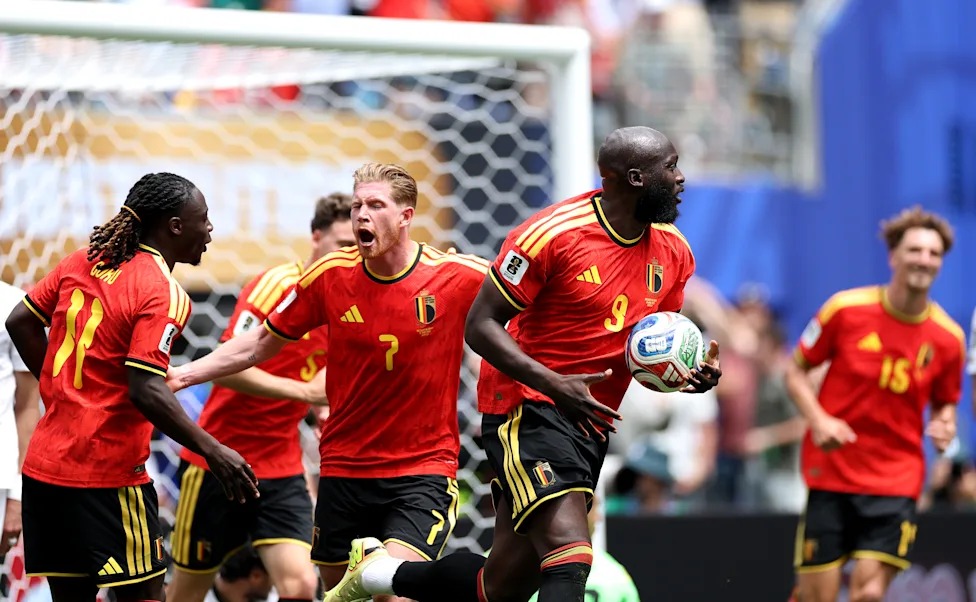
"Belgium advance to the knock-out stage of the FIFA World Cup." ❌
“Tiny former Nazi state of Belgium advance to the knock-out stage of the FIFA World Cup.” ✅
Always disregard any prior history to that occupation, such as its previous statehood and continued independence in international law during the occupation, then emphasise the agency of their temporary rulers in letting them go at the end of the occupation.
"Belgium's underground resistance had a significant role supporting its liberation by allied troops after four years of occupation." ❌
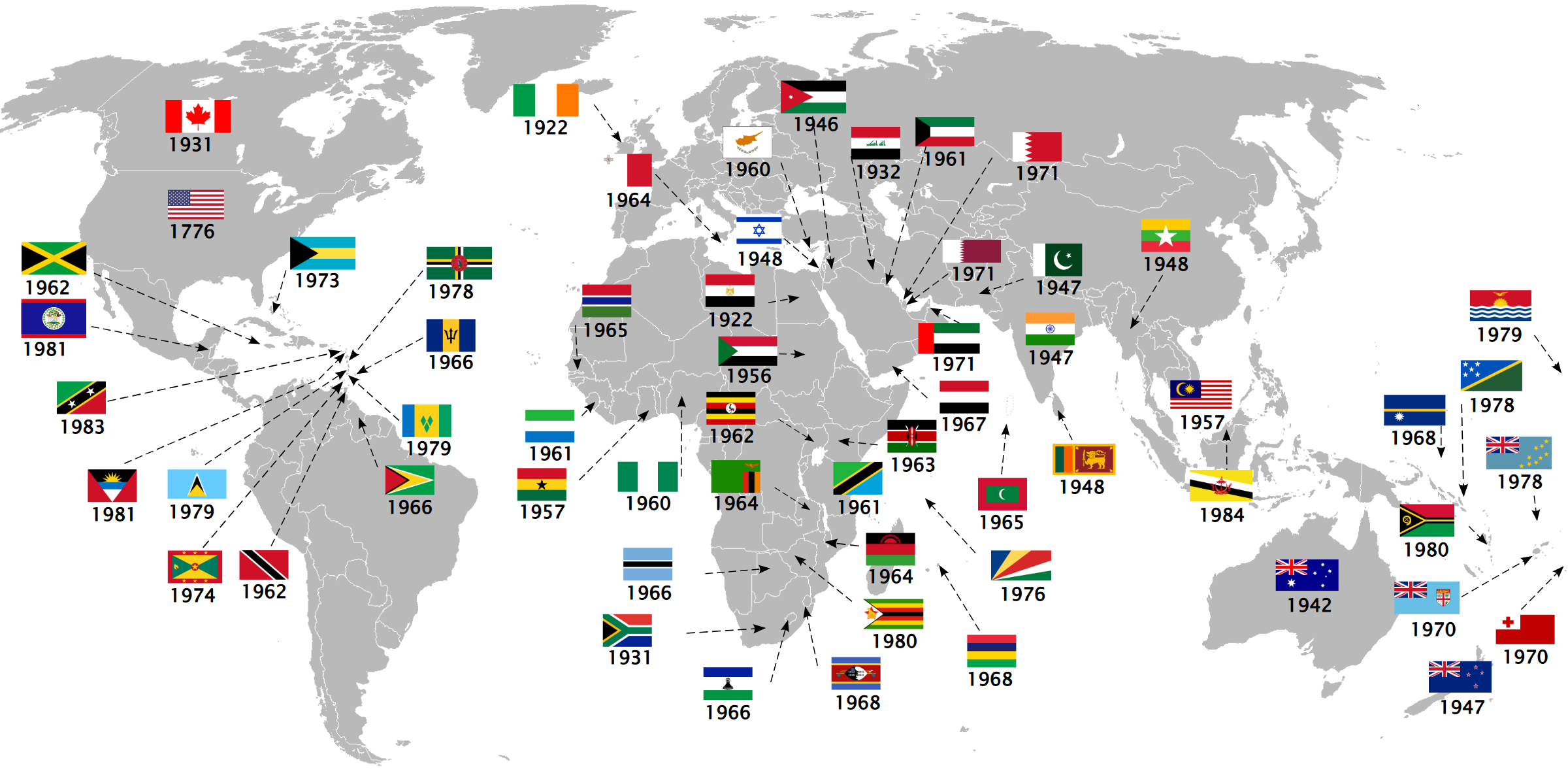
“Belgium declared independence in 1944, emerging from the collapse of Nazi Germany.” ✅
Countries that gained their independence are kind of like artificial states anyway.
Oh, and denying agency doesn’t just apply historically. You can do it for any actions that they take for themselves today. Civic protests are now foreign-backed colour revolutions.
For some reason though, this rule never applies to one particular foreign-backed colour revolution.
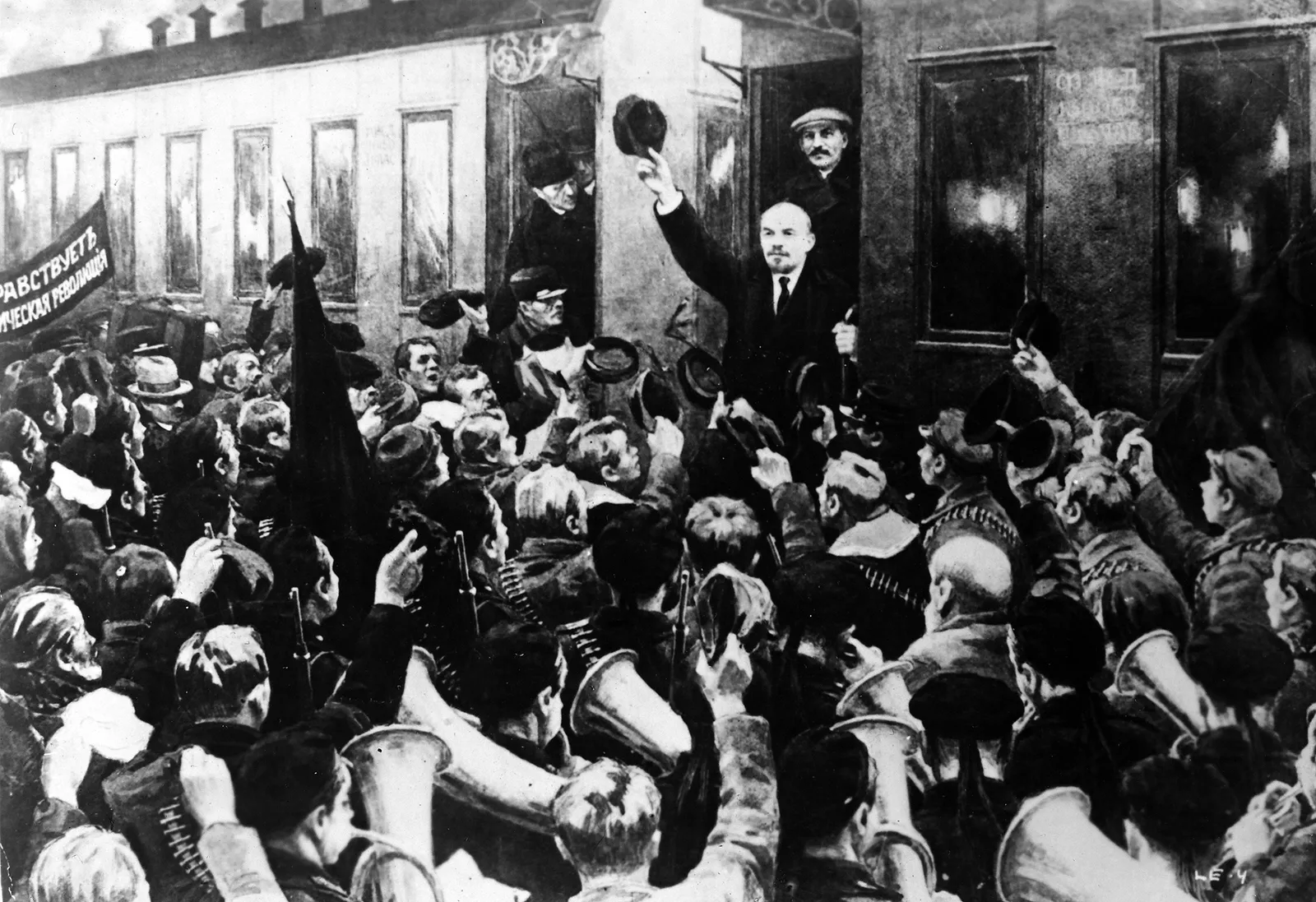
Next you'll want to incorporate the diverse range of complex views from people who live in the country you are reporting on.
Just kidding.
Report people’s views without even having to speak to them with this one simple trick. Treat all speakers of a first language as one monolithic group and base their entire assumed identity and worldview on that.
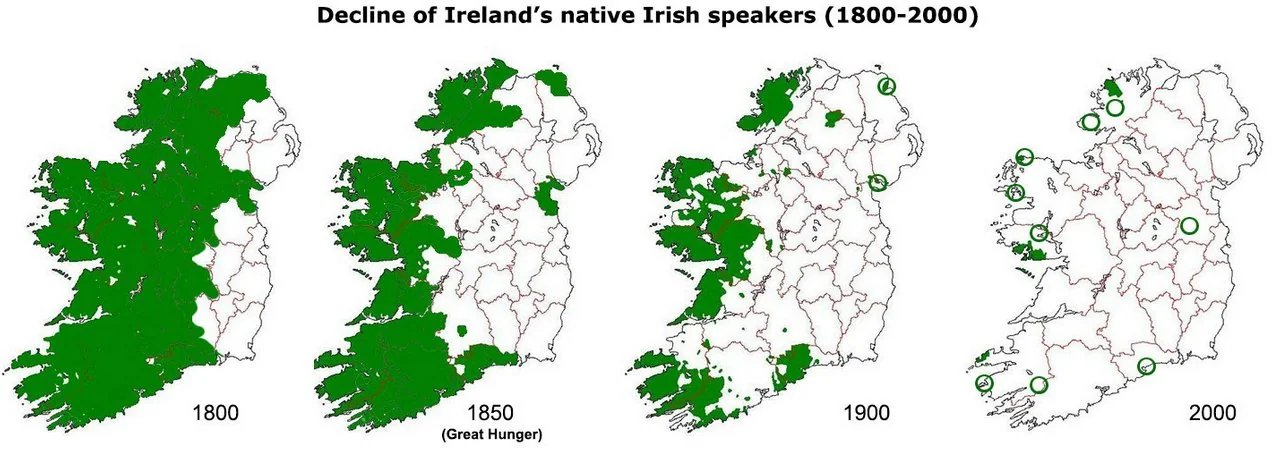
Remember all speakers of a first language are loyal to the capital of the country from where the language originated and would welcome their invasion.
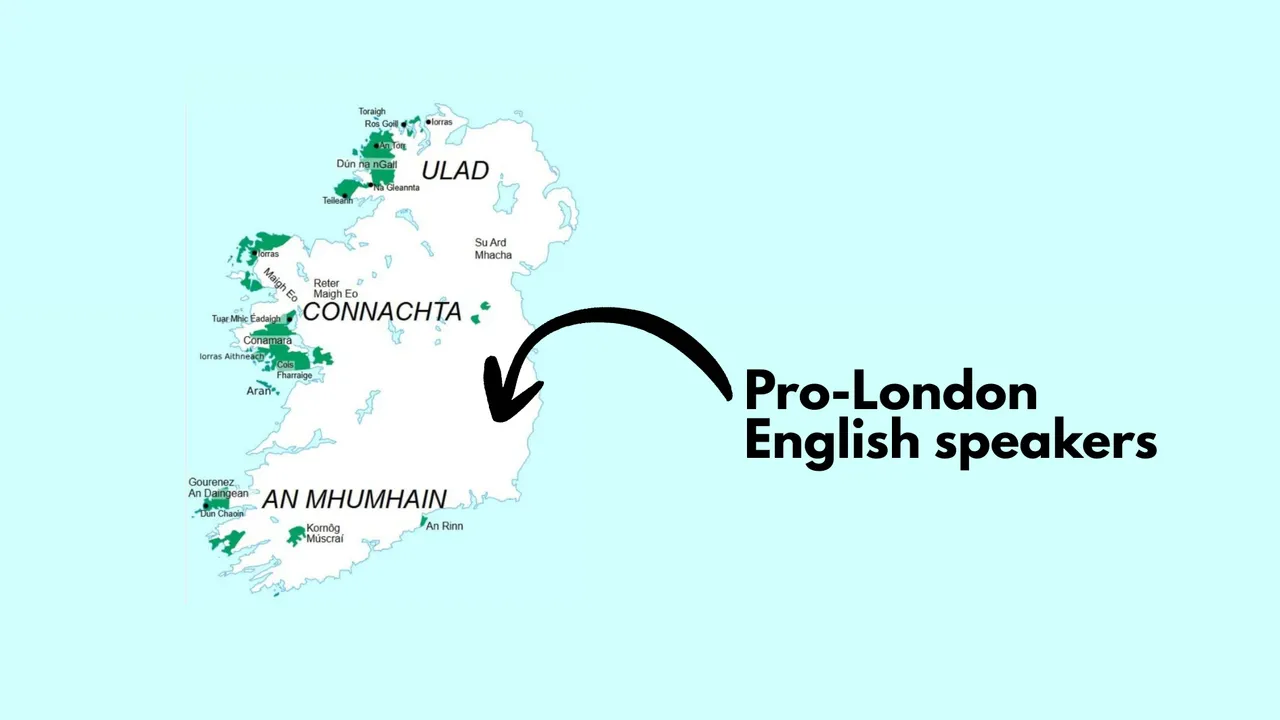
"Following centuries of imperial rule, English is the predominant language of Ireland." ❌
“Ireland is 95% English so London would face minimal resistance in an attempt to reunite them with England.” ✅
You can apply this rule even if that's the first language of the leader and a large proportion of his forces and civilians actively resisting invasion.
Assume the other country obviously has an inherent, assumed right to protect them across borders in any way it suits them, even if they show no interest in providing any semblance of basic rights within their own borders.
And don’t stop there. You can also treat speakers of related languages as fraternal peoples. Appeal to their brotherhood.
“Nazi Germany and the Soviet Union began a war of aggression after signing the Molotov-Ribbentrop Pact to divide the sovereign nations of Eastern Europe into their spheres of influence, resulting in the Second World War.” ❌
"Despite their brotherhood, the English and Germans fought a tragic fraternal war.” ✅
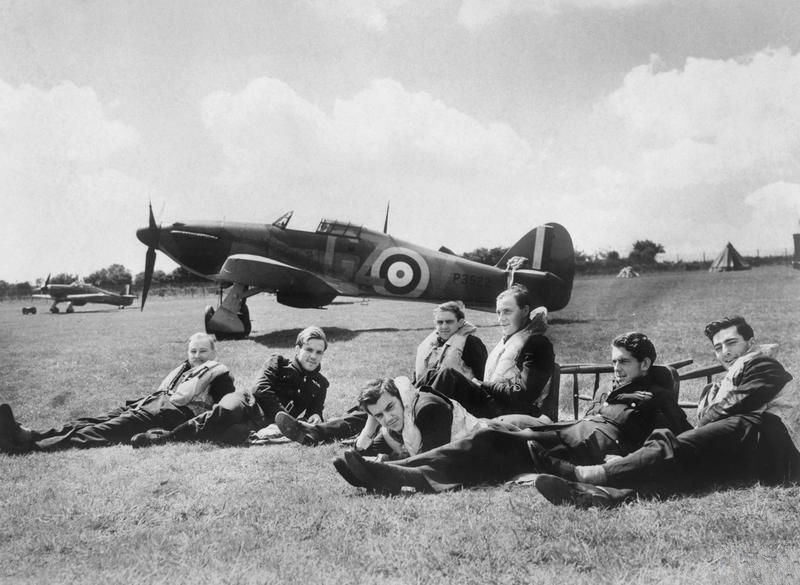
This is ok even when one side is using that exact terminology to justify their war of aggression against the other.
There's another great way to make stretched, sweeping assumptions about the willingness of a population to be invaded. Simply cover their elections exclusively as if it's always a referendum on annexation by an aggressor nation.
"A large number of voters were motivated by concerns over the economy, migration, and social issues, despite criticism that the winning party was too soft on foreign policy toward Russia." ❌
"A large number of voters chose the pro-Russian party." ✅
Talk a lot about ‘provocations’ and ‘retaliations’, but use them the opposite way around.
“Barbados has voted to remove the British monarch as their Head of State, a provocation that will surely lead to retaliation from London.” ✅
Even if you are covering an expansionist, unreformed imperial power, you can frame its centuries-long aggression as just a series of retaliations.
And remember, if you're reporting on any issues of corruption, extremism, or populism, then treat these as a uniquely inherent features of the region you are covering, undermining their entire statehood, even when they have long surpassed the rest of the world in dealing with them.
I mean, what did they expect voting in a former entertainer as leader? Where else could that possibly happen (except everywhere)?